Creating a home office that feels both cozy and productive can transform your work-from-home experience. Whether you’re remote full-time or need a dedicated spot to focus on projects, a thoughtfully designed workspace can make all the difference. In this post, we’ll explore practical tips to help you set up a home office that supports your work goals while keeping comfort and style in mind.
Why a Cozy and Productive Home Office Matters
Working from home offers flexibility, but it also brings challenges like distractions and lack of structure. A cozy home office encourages focus and creativity by providing a personal retreat that helps you get in the zone. It also reduces stress and fatigue by making your workspace welcoming rather than sterile or cluttered.
Choose the Right Location
Find a Quiet Spot
Select a space in your home that minimizes noise and interruptions. This might be a spare bedroom, a corner in your living room, or even a nook near a window. The key is to have a designated area away from high-traffic zones and household distractions.
Consider Natural Light
Position your desk near a window if possible. Natural light improves mood and energy while reducing eye strain. Just be mindful of glare on your screen—adjust blinds or curtains as needed.
Invest in Comfortable and Functional Furniture
Ergonomic Chair
A quality ergonomic chair supports your posture and prevents discomfort during long work sessions. Look for adjustable height, lumbar support, and comfortable padding.
Desk Options
Choose a desk that fits your space and work style. If possible, consider a standing desk or an adjustable sit-stand workstation to vary your posture throughout the day.
Adequate Storage
Keep your supplies and documents organized with shelves, drawers, or filing cabinets. A clutter-free desk helps maintain focus and creates a pleasant environment.
Lighting: Balance Is Key
Layered Lighting
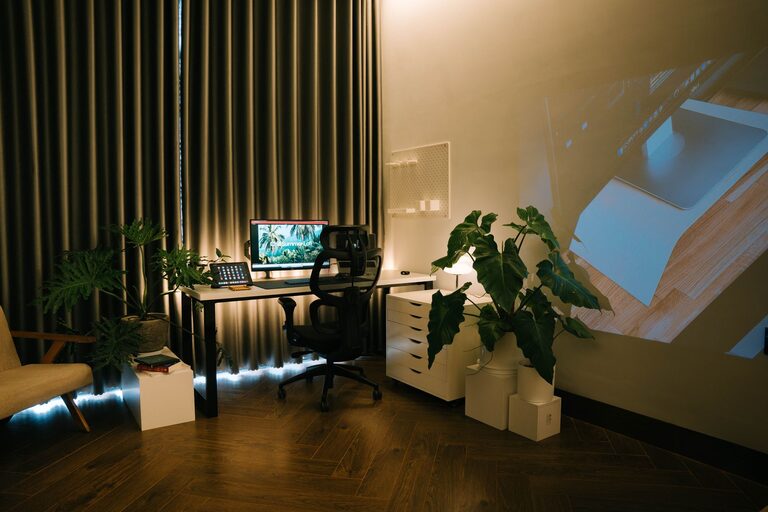
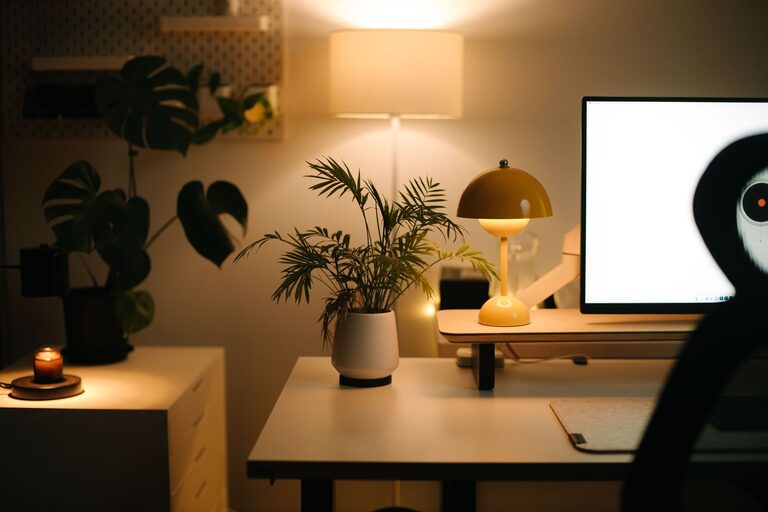
Combine ambient lighting (like overhead lights) with task lighting (such as a desk lamp) to avoid harsh shadows and eye strain. Warm light bulbs add coziness to the space.
Avoid Screen Glare
Position lights to reduce glare on your computer monitor. Adjustable lamps can help you direct light precisely where you need it.
Personalize Your Space
Add Cozy Textiles
Soft rugs, cushions, or throws can make your workspace inviting and comfortable. They also add color and texture that reflect your style.
Decorate Thoughtfully
Include items that inspire you or bring you joy, such as artwork, plants, or framed photos. However, keep decor minimal to prevent distractions.
Incorporate Greenery
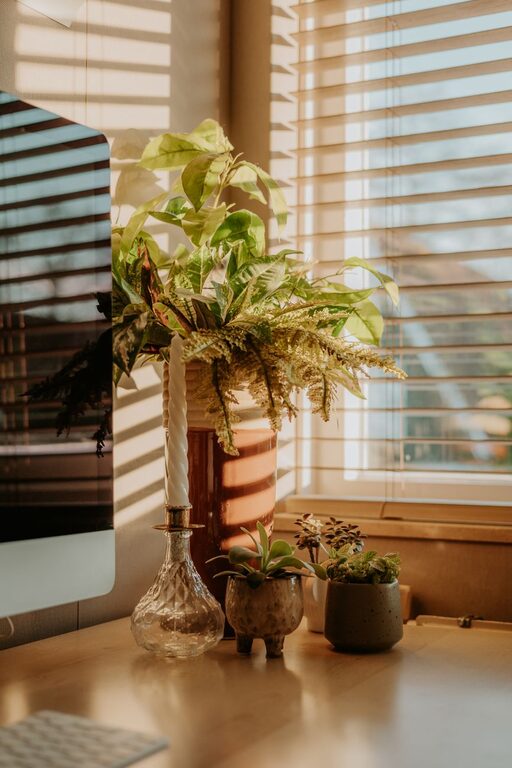
Plants improve air quality and create a calming atmosphere. Choose low-maintenance indoor plants like succulents, snake plants, or pothos.
Organize for Efficiency
Use Desk Organizers
Keep pens, paper, chargers, and other essentials in dedicated containers. This makes it easier to find what you need quickly.
Cable Management
Tidy up cords with clips, ties, or cable sleeves to prevent tangling and improve aesthetics.
Digital Organization
Maintain a clean digital workspace by organizing files and emails regularly. This reduces stress and saves time.
Establish a Routine and Boundaries
Set Work Hours
Respect your own schedule by defining clear start and finish times. This helps separate work from personal life.
Take Breaks
Incorporate short breaks to stretch, hydrate, and relax your eyes. A comfortable home office that supports movement encourages these habits.
Minimize Distractions
Use noise-canceling headphones, turn off unnecessary notifications, and communicate boundaries to family or housemates.
Utilize Technology Wisely
Reliable Internet Connection
Ensure your internet speed supports video calls, file uploads, and other work tasks without interruption.
Essential Equipment
Invest in a good-quality monitor, keyboard, mouse, and headset to improve comfort and performance.
Backup Solutions
Regularly back up important files with cloud storage or an external drive to avoid losing critical work.
Keep It Clean and Fresh
Daily Tidy Up
Spend a few minutes each day putting items back in place and clearing debris. A neat environment promotes mental clarity.
Fresh Air
Open windows when possible to let in fresh air and improve ventilation.
Final Thoughts
Designing a home office that is both cozy and productive involves balancing comfort, functionality, and personal touches. By selecting the right location, investing in ergonomic furniture, managing lighting, and keeping organized, you can create a space that motivates you to do your best work every day. Remember, your home office should serve as a supportive environment that adapts to your needs and promotes well-being.
Creating this space might take time and some experimentation, but the payoff in daily comfort and efficiency is well worth it. Start with small changes and build your perfect home office at your own pace.