Creating a productive home office space is essential for anyone who works remotely or frequently from home. A well-designed workspace can help you stay focused, reduce distractions, and maintain a healthy work-life balance. Whether you have a dedicated room or a small corner for your office, these tips will guide you in setting up an environment where you can thrive.
Choose the Right Location
Consider Natural Light
Place your desk near a window if possible. Natural light can improve mood, energy levels, and focus during your workday. Avoid positioning your screen directly in front of or behind a window to reduce glare.
Minimize Noise and Distractions
Select a quiet area of your home where you are less likely to be interrupted. If this is not possible, consider using noise-cancelling headphones or adding sound-absorbing materials like rugs and curtains.
Invest in Comfortable and Ergonomic Furniture
Select an Ergonomic Chair
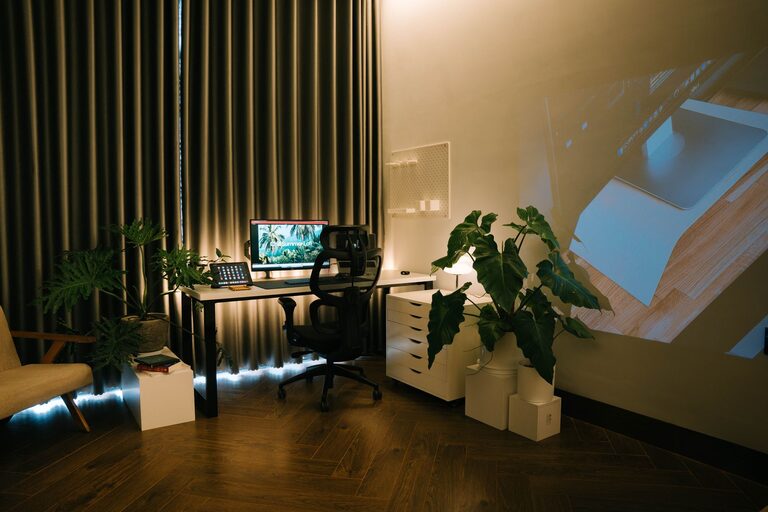
A supportive chair that encourages good posture can prevent back and neck pain. Look for adjustable chairs with lumbar support to fit your body’s needs.
Choose an Appropriate Desk
Your desk should have enough surface area for your computer, accessories, and any paperwork. Adjustable desks that allow you to switch between sitting and standing can be beneficial for health and productivity.
Organize Your Space Efficiently
Declutter Your Desk
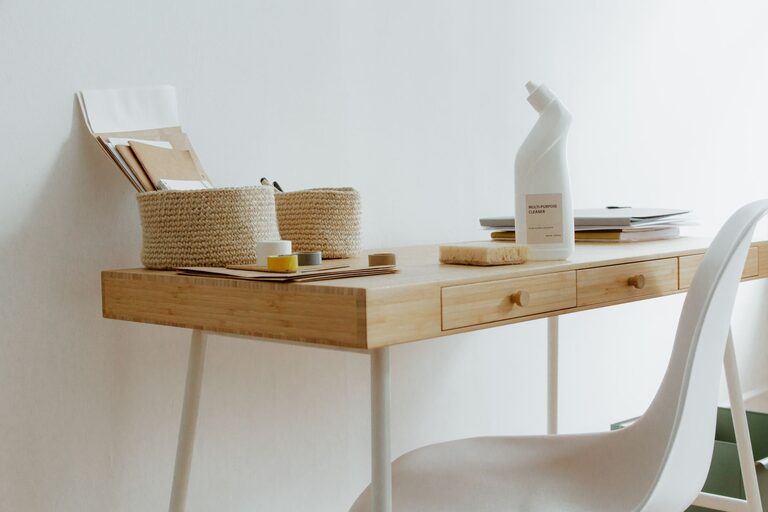
Keep only essential items on your desk to reduce distractions. Use cable organizers to manage cords and avoid tangling.
Use Storage Solutions
Shelves, filing cabinets, and drawer organizers help store documents and office supplies neatly. Consider labeled bins or boxes for easy access and tidiness.
Optimize Lighting
Combine Ambient and Task Lighting
Use a combination of overhead lighting and a desk lamp to ensure your workspace is well-lit without causing eye strain. Adjustable lamps allow you to focus light as needed.
Avoid Harsh or Flickering Lights
Fluorescent or flickering lights can cause headaches and fatigue. Opt for warm, white LED bulbs for a comfortable lighting experience.
Personalize Your Workspace
Add Inspiring Elements
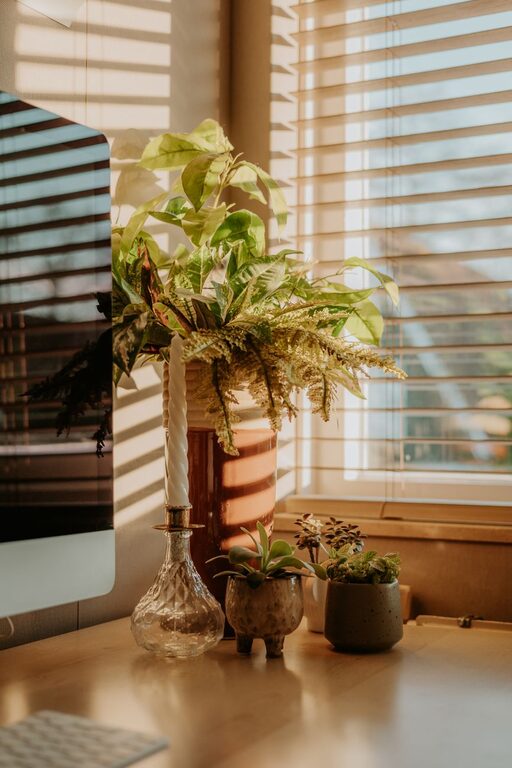
Incorporate personal touches like photos, plants, or art that motivate and uplift you. Greenery not only beautifies the space but also improves air quality and reduces stress.
Maintain a Professional Atmosphere
While personalization is important, it’s best to avoid overly distracting items. The goal is to create an environment that feels inviting but remains conducive to work.
Establish Clear Boundaries
Define Work Hours
Set specific start and end times for your workday. This helps separate professional time from personal time, especially when your workspace is in a shared area.
Communicate with Household Members
Let others know when you are working and need quiet or limited interruptions. Using a “do not disturb” sign or similar visual cues can help reinforce this.
Maintain Technology and Connectivity
Ensure Reliable Internet
A strong and stable internet connection is crucial for remote work tasks like video calls and file transfers. Consider a wired Ethernet connection if Wi-Fi is inconsistent.
Keep Equipment Updated
Regularly maintain your computer, printer, and other devices to prevent technical issues during work hours. Back up important files to avoid data loss.
Incorporate Healthy Work Habits
Take Frequent Breaks
Use techniques like the Pomodoro method to work in focused intervals and then take short breaks. Stretching or walking helps prevent stiffness and boosts circulation.
Stay Hydrated and Nourished
Keep water and healthy snacks nearby to maintain energy and concentration. Avoid excessive caffeine, which can lead to jitters or energy crashes.
Final Thoughts
Designing a home office space that supports productivity takes some planning but creates long-term benefits for your workday and well-being. By choosing the right location, investing in ergonomic furniture, organizing efficiently, and setting clear boundaries, you can build a workspace that helps you perform at your best. Remember, small adjustments and personalization make a big difference in creating an environment that feels comfortable and inspiring. Start with these tips and tailor your space as you discover what works best for you.