Creating a home office that is both cozy and productive can make a significant difference in your daily work experience. Whether you are working remotely full-time, freelancing, or need a dedicated space for occasional work, designing an environment that promotes focus while also feeling inviting is key. Here are some practical tips to help you create a home office that balances comfort and efficiency.
Choose the Right Location
The first step in setting up your home office is selecting the right spot. Ideally, pick a quiet area that has minimal distractions. If possible, a room with a door can help separate your work environment from the rest of your home life.
Consider Natural Light
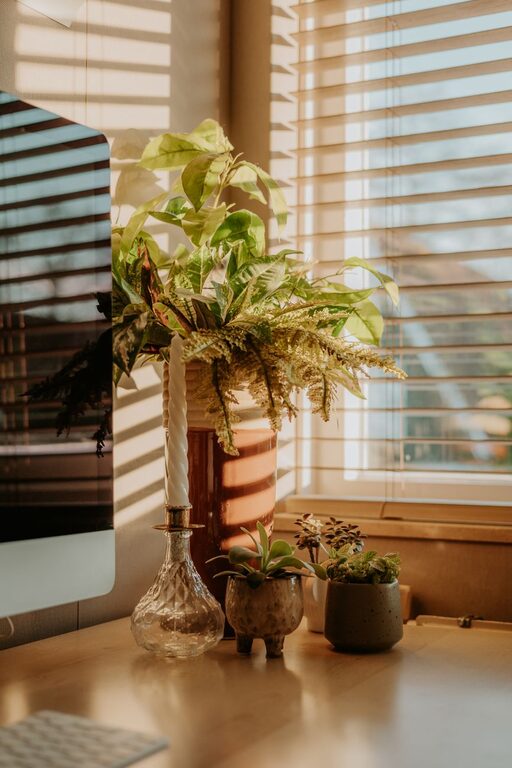
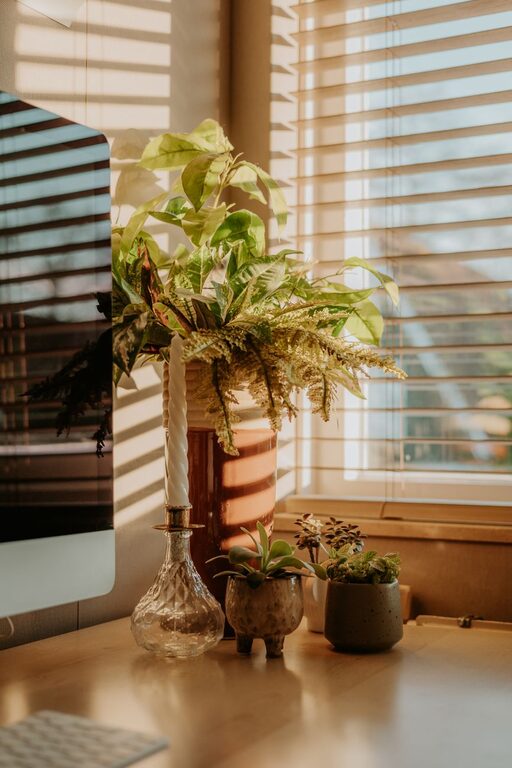
Natural light can boost mood and energy, so place your desk near a window if you can. Avoid glare on your computer screen by positioning your desk perpendicular to the window, rather than directly facing or backing onto it.
Invest in Comfortable and Functional Furniture
Your furniture choices will heavily influence both your comfort and productivity.
Ergonomic Chair
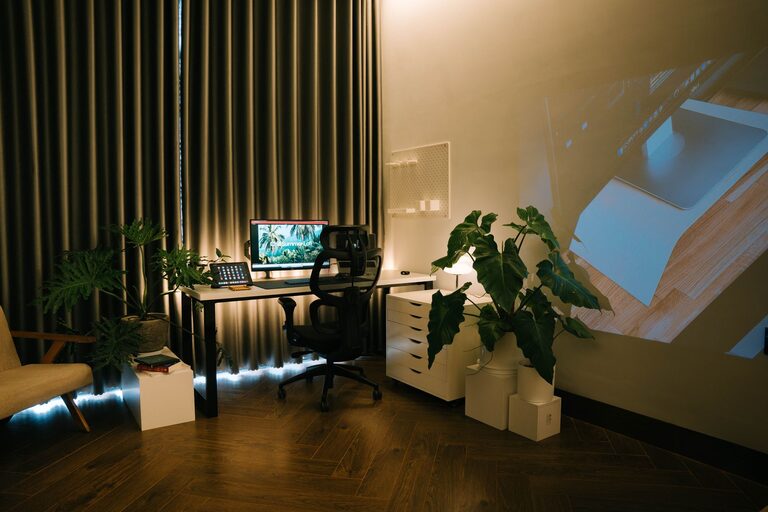
A chair that supports good posture helps reduce back and neck pain. Look for adjustable features like seat height, lumbar support, and armrests to customize it to your body.
Desk Space
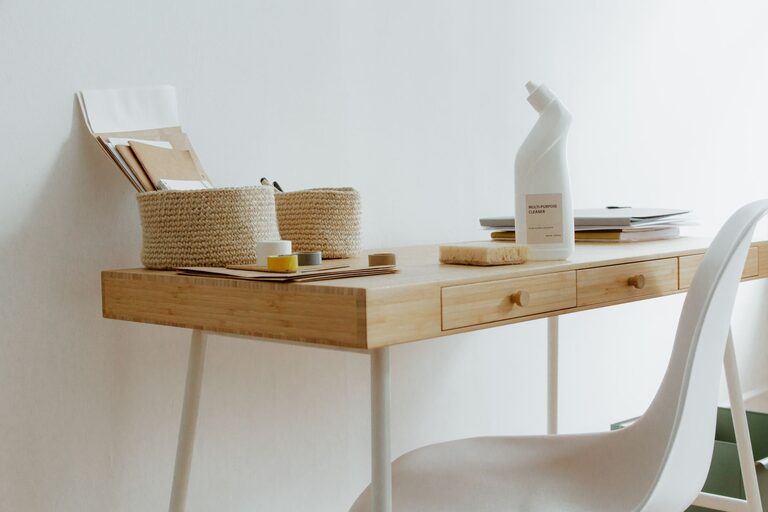
Choose a desk that fits your needs. If you use multiple monitors or like to spread out documents, opt for a larger surface. Some people prefer adjustable desks that allow switching between sitting and standing.
Organize for Efficiency
Clutter can be distracting and hinder productivity, so keeping your workspace organized is important.
Use Storage Solutions
Shelving units, file organizers, and drawer dividers help keep supplies and paperwork in order. Designate specific places for items you use often.
Cable Management
Tidy cables with clips or sleeves to create a cleaner look and avoid tangles.
Personalize Your Workspace
Adding personal touches can make your home office feel welcoming.
Decor and Colors
Choose colors that promote calmness and focus, such as soft blues or greens. Incorporate artwork, plants, or meaningful objects that brighten your space without overwhelming it.
Optimize Lighting
In addition to natural light, proper artificial lighting is essential, especially for late work hours.
Task Lighting
Use a desk lamp with adjustable brightness to focus light where you need it most.
Overhead Lighting
Ensure your room is evenly lit without harsh shadows or flickering.
Minimize Noise and Distractions
A peaceful environment supports concentration.
Soundproofing Options
Use rugs, curtains, or acoustic panels to reduce noise from other rooms or outside.
Noise-Cancelling Headphones
Consider these if you cannot control background sounds.
Create a Routine and Maintain Boundaries
Your home office should also support your work habits.
Designate Work Hours
Set specific start and stop times to help separate work from personal time.
Keep Your Office for Work Only
Avoid using your work area for relaxation or entertainment to maintain mental clarity during work hours.
Maintain Comfort Throughout the Day
Simple adjustments can keep you comfortable and focused.
Keep a Water Bottle Nearby
Staying hydrated can improve concentration and energy levels.
Take Breaks and Stretch
Short breaks and light stretching help prevent fatigue and stiffness.
—
By thoughtfully arranging your home office with comfort and productivity in mind, you can create a space that supports success and well-being. These tips offer a foundation to design a work environment that feels right for you, helping you stay motivated and efficient every day.